

Junior Security Council
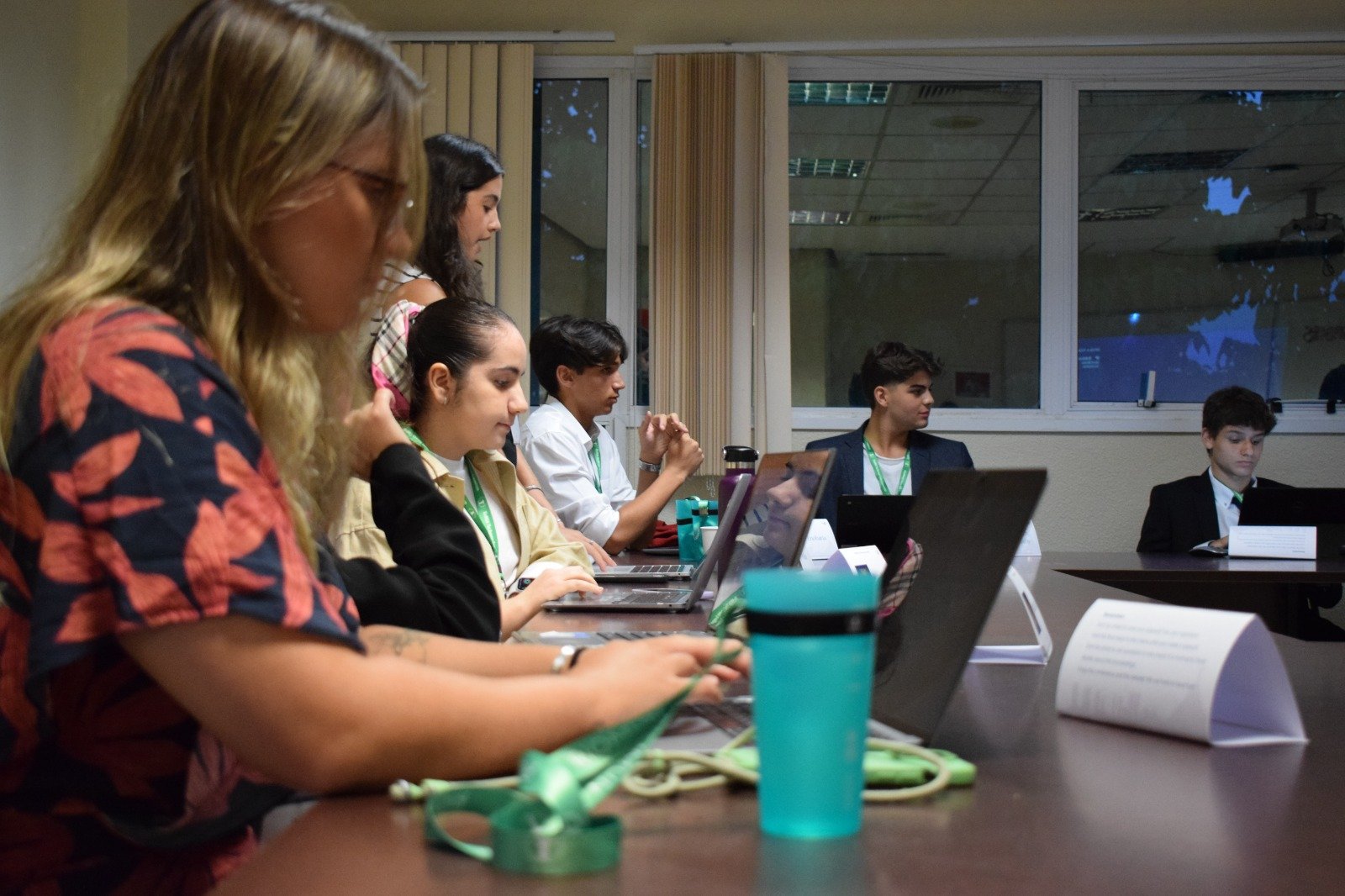
The Security Council is one of the oldest and most crucial organs of the United Nations (UN), as it was established on October 24, 1945. Its headquarters is located in New York City and it is composed of 15 members: five permanent members (P5) and ten non-permanent members, who are elected for a 2-year term during the UN General Assembly. The P5, United States, Russia, China, France and the United Kingdom, are the most powerful delegations within the Security Council, as they have the veto power. A veto power is when a delegation is allowed to block any resolution, regardless of the number of votes in favor. However, to use the veto, delegates must identify a clause that contradicts the UN charter. The UN charter is a document that establishes the structure and principles of the UN. It is important to outline that during the conference, chairs may challenge the use of veto power if the delegate’s reasoning is deemed invalid. Moreover, the Security Council is responsible to address important issues that threaten global stability and security, such as wars or any act of aggression that violates international law. Therefore, its major goal is to establish effective and binding resolutions that compromise worldwide stability and peace. Furthermore, it is one of the most powerful and important organs of the UN, with the authority to impose military sanctions in a country’s territory, when necessary
Google Classroom Code:
Topics
Topic A: Addressing the exacerbation of regional security in the Russia-Ukraine War
Topic B: Addressing the deterioration of security and governance in Haiti
Study Guide
Chairs
Co-Chair, Joaquim Kaplan
Hello delegates!
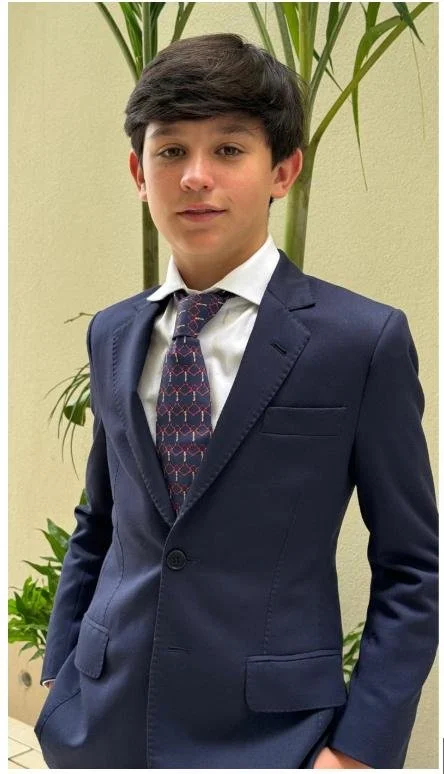
Hello, delegates! My name is Joaquim Kaplan, and I am currently a freshman at EARJ. During this conference, I am excited to serve as one of your chairs for the Junior Security Council. MUN has given me the opportunity to learn about global issues, improve my public speaking, and work with students to develop solutions. I hope this committee becomes a welcoming environment where every delegate feels comfortable participating, sharing ideas, and challenging themselves. I understand that attending a conference can feel stressful, especially for first timers, but MUN is a place to learn, make mistakes, meet people, and become more confident. Please do not hesitate to contact me or any of the chairs if you have questions or need support. I look forward to meeting you all. Good luck!
Contact:
Co-Chair, Pedro David
Hello delegates!
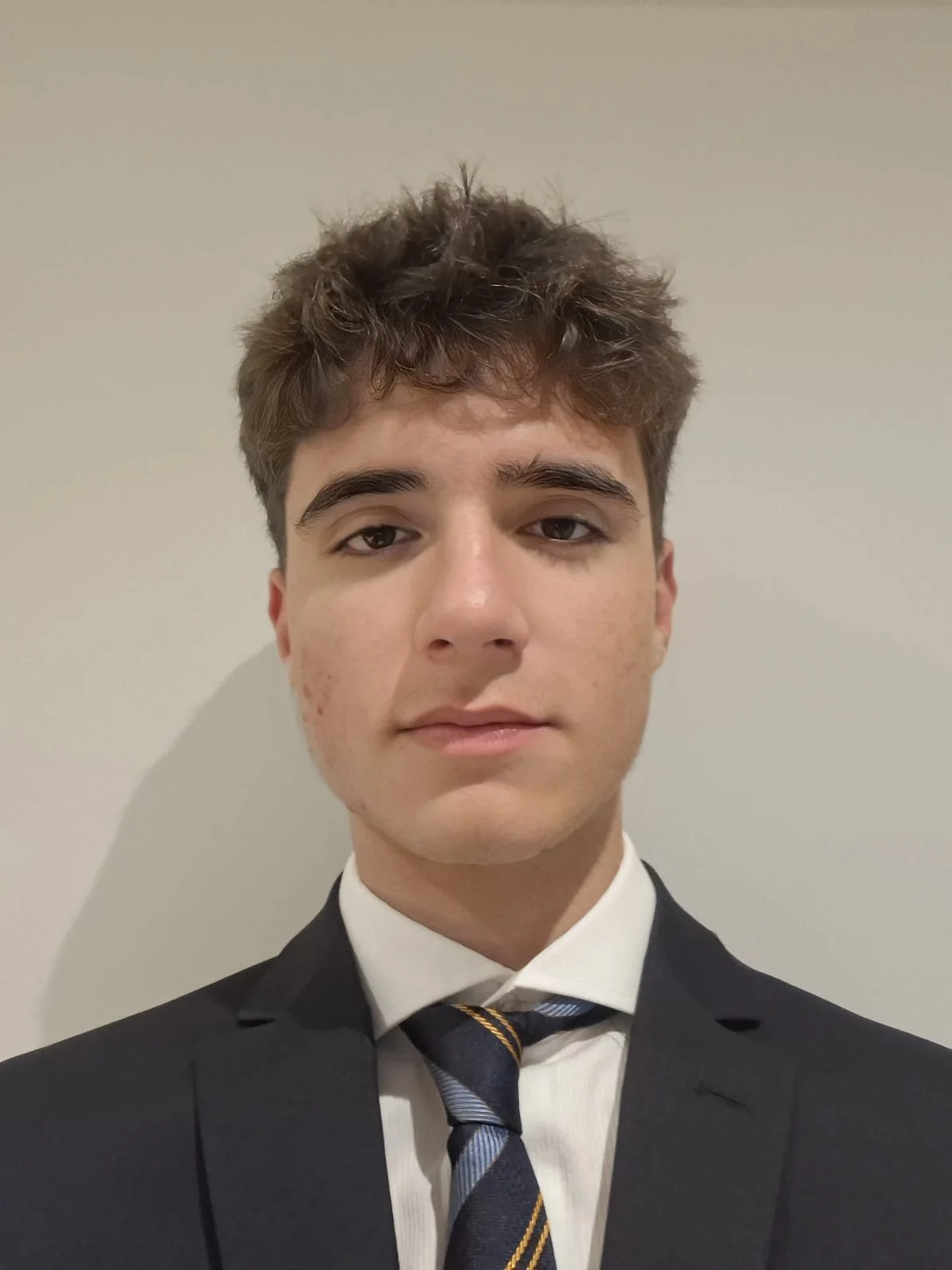
My name is Pedro David, and it is an utmost honor to serve as a chair for the Junior Security Council at RIOMUN VI alongside Daniela and Joaquim. As a sophomore at EARJ Gávea doing MUN since 7th grade, this program is where I found my passion for political sciences and gained valuable knowledge on pressing global issues. My main objective is to encourage you to foster fervent debates, build lasting relationships, and take pride in your growth over these three intense days. I can’t wait to meet you all and hope we can make this an unforgettable experience. Feel free to reach out through my email pedrorochadavid@gmail.com in case of any concerns or questions regarding your preparation (I adore giving feedback to position papers!).
Head-Chair, Daniela Baltensberger
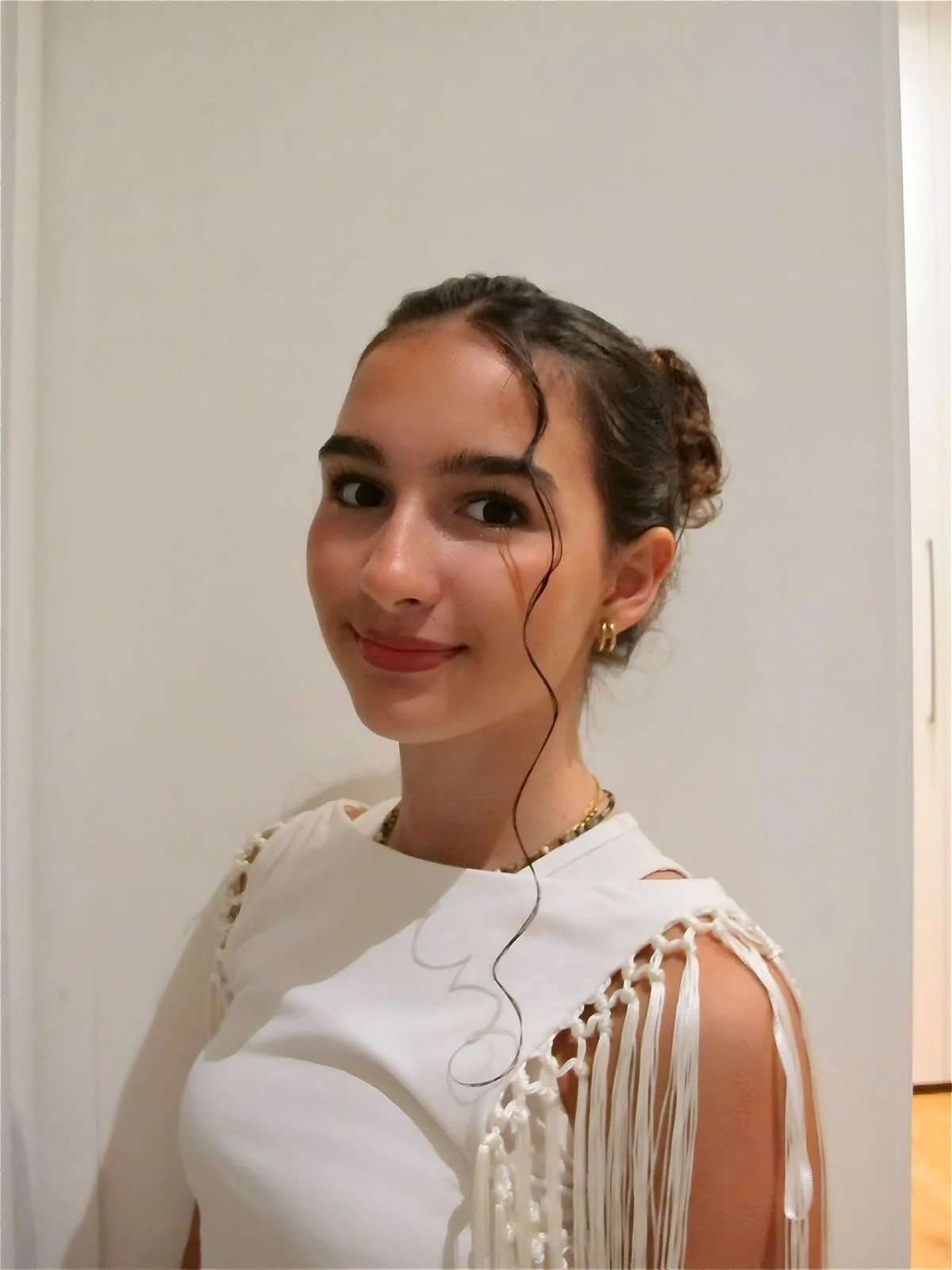
Hello, delegates! My name is Daniela Baltensberger, and I am currently a freshman at EARJ Barra. During this conference, I am delighted to serve as your head chair for the Junior Security Rights Council. Engaging in MUN has been one of the best experiences of my life. Conferences have become a place for me to meet new people, practice my public speaking skills, and understand the conflicts and issues that occur in the world we live in. I truly hope all of your memories during this committee are just as good as the ones I collected along my journey. I am aware that partaking in MUN can be nerve-wracking, which is why I am open to helping all of you with whatever you need. If you have any questions, don't hesitate to contact me or any of the other chairs. Good luck!